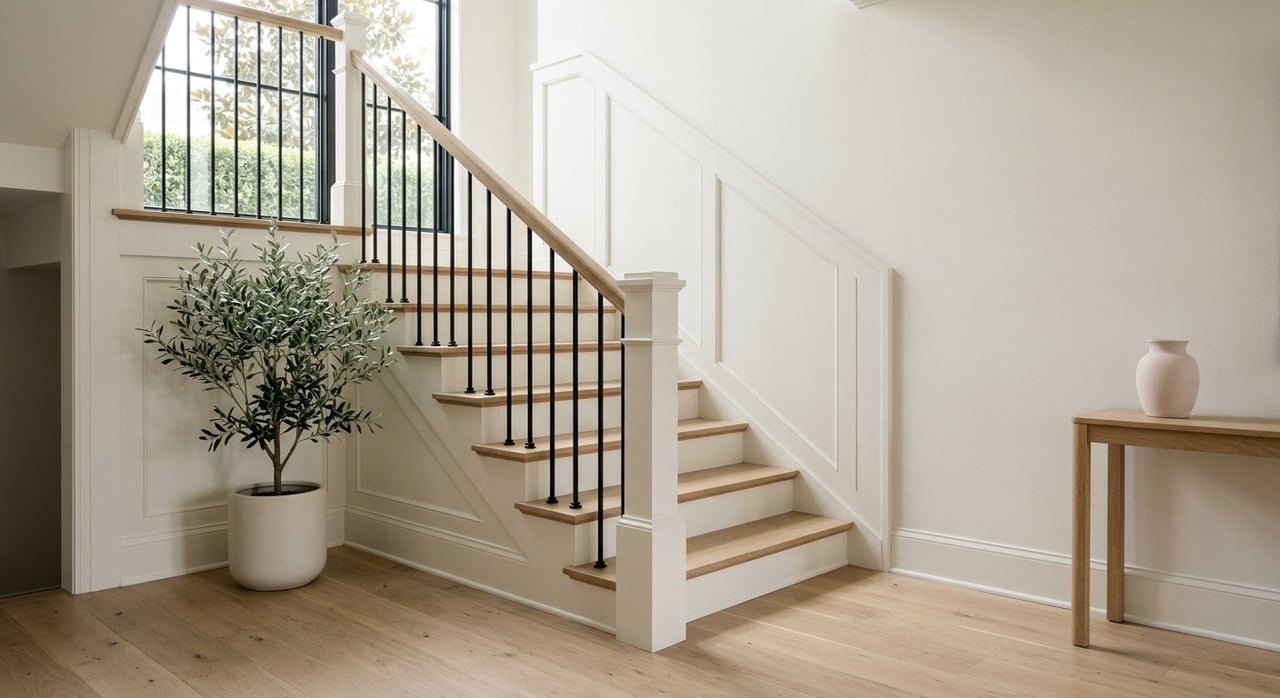
What to Know About New Construction Homes in Barrow County
May 28, 2026
May 28, 2026
Thinking about buying a brand-new home in Barrow County? It can feel exciting to choose fresh finishes and move into a home no one has lived in before, but new construction also comes with its own rules, documents, and deadlines. If you understand how the process works here, you can make clearer decisions and avoid surprises. Let’s dive in.
Buying new construction in Barrow County is not the same as buying a resale home. Instead of focusing only on one purchase agreement, you are often dealing with a full package of documents that may include the sales contract, warranty materials, selection sheets, and change orders.
That matters because many of your choices and protections are tied to what is written down. In a new build, details about finishes, timing, repairs, and builder responsibilities often live across several documents, not just one contract.
One local factor that can affect your timeline is permitting. Barrow County states that residential permit reviews typically take 2 to 3 weeks, and the county handles Planning and Community Development applications through its online Tyler Energov system.
If the lot uses septic, Barrow County requires an Environmental Health approval letter before a residential permit can move forward. If the home will connect to public sewer, that letter is not required. This is one reason construction timing can vary from one property to another, even within the same area.
Barrow County also posts an impact-fee schedule. While buyers may not handle the permit process directly, it helps to know that local approvals can affect build timing and closing expectations.
Before you sign anything, make sure you understand who is building the home. Georgia requires residential and general contractors to be licensed, and the Georgia Attorney General advises consumers to verify licenses through the Secretary of State and check any applicable county or city licensing rules.
This step is important in new construction because you are relying on the builder and the teams working under that builder. A quick verification step can give you more confidence about who is responsible for the work on your future home.
A new-construction purchase usually involves more paperwork than a resale. HUD notes that a purchase contract should clearly spell out items like earnest money, financing details, the proposed move-in date, the proposed closing date, and contingencies.
In practice, you should ask to review the full contract package, not just the signature pages. That can include:
This is also where careful review matters most. HUD says buyers may wish to hire their own attorney to review the contract and settlement process, which can be especially helpful when the builder’s paperwork is detailed or highly customized.
One of the fun parts of buying new construction is personalizing the home. But it also comes with fast decisions. Builder guidance in the research shows that under-contract buyers may have a dedicated 2 to 3 hour design-center appointment to choose colors, finishes, and features.
Common selections can include cabinets, flooring, countertops, hardware, lighting, paint color, and exterior color. Available options may depend on the stage of construction, so timing matters.
If you are preparing for a design appointment, it helps to bring:
The key is to make choices that fit both your taste and your long-term comfort. Since many decisions happen in a short window, written selections become very important.
A brand-new home still needs an inspection. HUD strongly encourages buyers to arrange an independent home inspection and points out that an appraisal is not a home inspection.
That distinction matters. An appraisal is used for lending purposes, while a home inspection looks at the structure, construction, and mechanical systems. Even if the home is new, an independent inspector can help identify issues before closing or while there is still time to address them under the contract.
If possible, ask about inspection timing early in the process. HUD notes that buyers can request an inspection early enough to make the contract contingent on the inspection.
Many buyers assume a new home warranty covers everything. In reality, warranty coverage often has limits, and the exact terms can vary by builder.
FTC guidance says builder warranties commonly cover workmanship and materials for 1 year, major systems like HVAC, plumbing, and electrical for 2 years, and major structural defects for up to 10 years. But that does not mean every item is covered the same way by every builder.
The FTC also notes that many warranties do not cover appliances, small cosmetic cracks, or living expenses related to repairs. It also explains that service contracts or home warranties are separate products and usually cost extra.
Before you close, ask for the warranty booklet and read the claims process carefully. Georgia’s Attorney General advises buyers to follow the warranty procedures and keep complete records of repair efforts.
If issues show up after closing, documentation matters. The FTC recommends filing claims in writing and keeping detailed records of correspondence and conversations.
That advice is especially important in Georgia because of the state’s Right to Repair Act. Before suing a contractor over construction defects, a homeowner must give written notice at least 90 days before filing suit. The contractor then has 30 days to respond, and the law sets out timelines for inspection and repair responses.
You may never need that process, but it is wise to be prepared. Save emails, warranty requests, photos, dates, and notes from every repair conversation.
New-construction closing dates are often less fixed than resale closings. In Barrow County, permit review alone can take 2 to 3 weeks, and the overall timeline also depends on the stage of the home and whether your selections still need to be finalized.
That is why an inventory home, a nearly complete home, and an early-stage build can all have very different closing windows. It helps to think of the estimated closing date as a target rather than a guarantee until construction is much further along.
A written timeline from the builder can help you understand what still needs to happen before closing. This can make it easier to plan your move, financing steps, and any current housing arrangements.
Property taxes are another area where new construction can surprise buyers. Barrow County states that property is taxed at 40% of fair market value as of January 1.
The Georgia Department of Revenue says real-property tax returns are generally due between January 1 and April 1, and a homestead exemption must be filed by April 1 to apply for the current tax year. It also notes that if improvements are made after a transfer, a return should be filed for the current year.
For a new build, the tax picture can change once the completed home is fully reflected in county records. In other words, early tax estimates may not match the eventual assessment after the home is finished.
Before you move forward with a new-construction home in Barrow County, ask clear questions and get answers in writing when possible. A few smart questions include:
These questions can help you compare homes more accurately and understand the full picture before you commit.
New construction can look simple on the surface because everything is new and polished. But behind that model-home excitement is a process shaped by county permitting, builder paperwork, selection deadlines, inspection planning, warranty terms, and tax timing.
Having a knowledgeable guide can help you stay organized, ask better questions, and understand what to expect at each step. If you want a concierge-style, bilingual approach to buying a home in Barrow County or the northern Atlanta suburbs, Wanda Moreno Properties is here to help you move forward with clarity and confidence.
Stay up to date on the latest real estate trends.
Wanda Moreno is dedicated to helping you find your dream home and assisting with any selling needs you may have. Contact her today for a free consultation for buying, selling, renting, or investing in Georgia.
WANDA MORENO PROPERTIES
ADDRESS 410 PEACHTREE PKWY STE 330 CUMMING GA 30041