What Everyday Living in Gwinnett County Is Really Like
February 5, 2026
February 5, 2026
Curious what day-to-day life looks like in Gwinnett County? You’re not alone. Many buyers weigh commute tradeoffs, school options, and weekend amenities before making a move. In this guide, you’ll get a clear picture of commutes, neighborhoods, parks, shopping, and costs so you can decide if Gwinnett fits your lifestyle. Let’s dive in.
Gwinnett sits just northeast of Atlanta and includes cities like Lawrenceville, Duluth, Suwanee, Buford, Norcross, and Sugar Hill. It is one of Georgia’s fastest-growing suburban counties with a diverse population and a wide mix of neighborhoods.
You’ll experience a humid subtropical climate. Summers are hot and humid with frequent afternoon storms. Winters are generally mild with occasional cold snaps and rare measurable snow. Outdoor recreation is common year-round, and many residents plan workouts or park time for early mornings or evenings during the warmest months.
The local economy is broad. Healthcare, education, retail, hospitality, logistics, light manufacturing, and professional services all play a role. Many residents commute to jobs across the Atlanta metro, while others work at local hubs in Duluth, Buford/Sugarloaf, and Lawrenceville.
Gwinnett is primarily car-oriented, and your daily routine will likely involve driving. Commute times vary widely by neighborhood, employer location, and time of day.
Peak travel windows in the morning and late afternoon often mean heavier traffic on I-85, I-285, GA-316, and major arterials. Many drivers adjust by leaving earlier, using express lanes where available, or working hybrid schedules.
Local bus service operates within Gwinnett, and regional express buses connect to the broader metro. Transit expansion has been an active planning topic, with ongoing discussions about future rail, bus rapid transit, and multi-modal corridors. Projects are at various planning and funding stages, so consider today’s bus options and keep an eye on long-term improvements.
Hartsfield-Jackson Atlanta International Airport is generally a 30 to 60 minute drive depending on your starting point and traffic. Your route choice and time of day will make the biggest difference in your door-to-gate timeline.
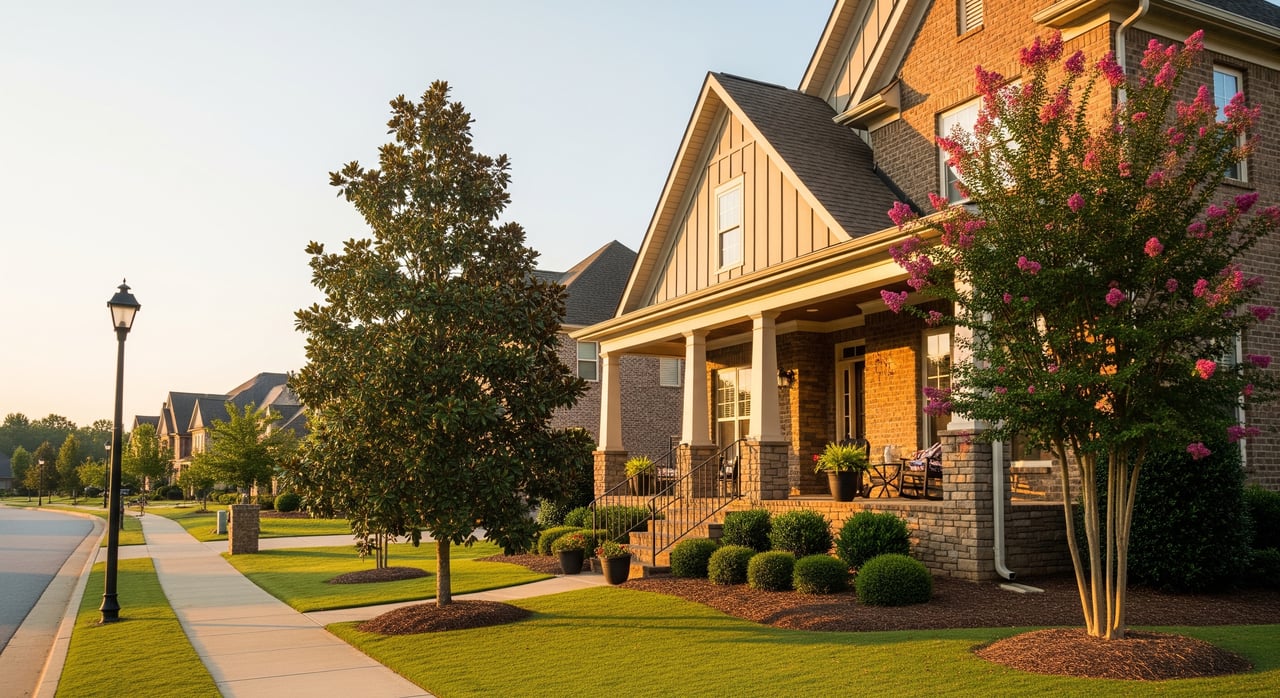
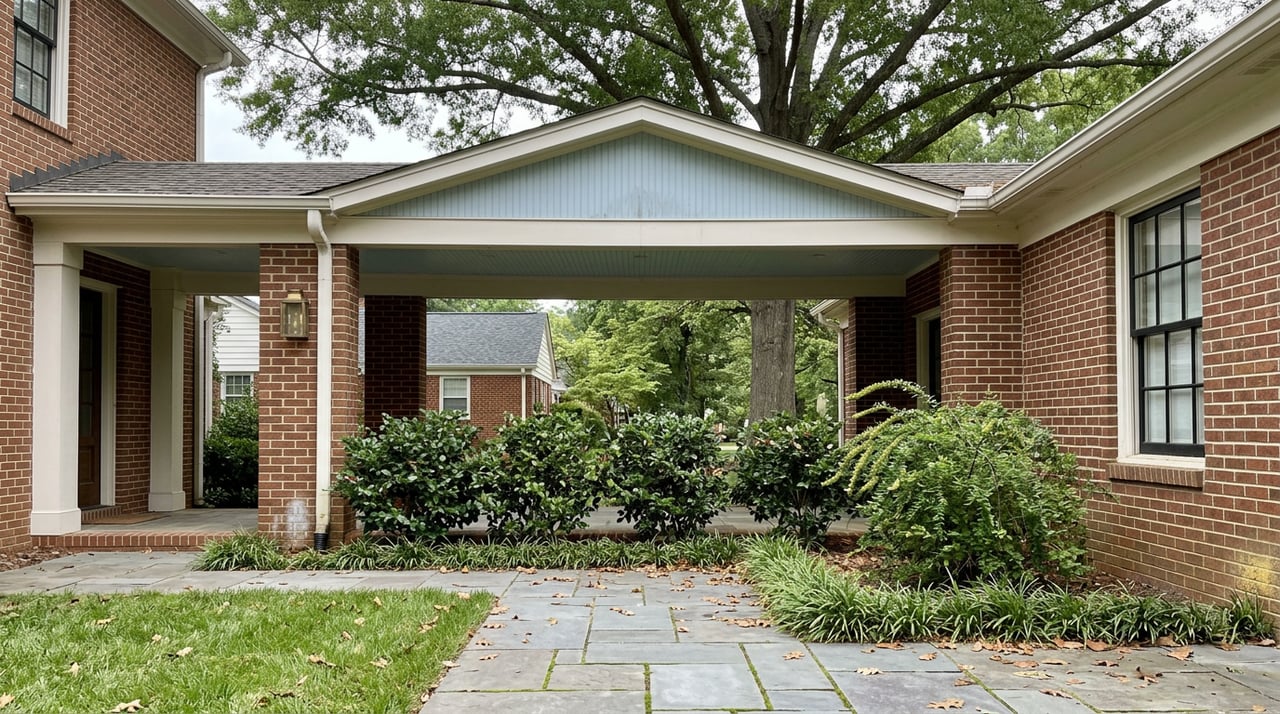
You’ll find a wide variety of homes. Older ranch and split-level neighborhoods sit alongside newer suburban subdivisions and master-planned communities. Townhomes and multifamily options are common near town centers and major corridors.
Several cities have invested in vibrant, pedestrian-friendly town centers. Downtown Lawrenceville, Suwanee Town Center, downtown Duluth, and downtown Norcross offer public greens, restaurants, coffee shops, breweries, and community events. These cores bring a small-city feel to the suburbs and often anchor nearby neighborhoods.
New builds and townhome communities have expanded choices in multiple submarkets. If you prefer a newer home with contemporary finishes, you’ll find options near town centers, along major corridors, and within master-planned neighborhoods. Builders have also added more attached-home selections for buyers seeking convenience.
Gwinnett County Public Schools is one of Georgia’s largest districts, with neighborhood schools plus magnet and specialty academy options. Program offerings and performance vary by attendance zone, so it’s smart to review current school resources for specific addresses. You’ll also find private and charter choices across the county.
For higher education, Georgia Gwinnett College in Lawrenceville and Gwinnett Technical College serve local students and adult learners. These institutions add educational and cultural activity to the area.
Living in Gwinnett puts you close to parks, greenways, and regional entertainment. Many neighborhoods are a short drive from a mix of outdoor spaces and community events.
Municipal parks and greenways are widespread. Suwanee’s park network and town center green are well-known, and you’ll find additional recreation centers and trails in Duluth, Buford, and other cities. Lake Lanier, at the county’s northern edge near Buford, is a major draw for boating, fishing, and summer weekends.
Coolray Field in Lawrenceville hosts the Gwinnett Stripers, a Triple-A affiliate of the Atlanta Braves, which makes for easy family outings during baseball season. The regional events venue in Duluth brings concerts, conferences, and performing arts to the area. Local festivals and farmers markets are common in town centers throughout the year.
For shopping, the Mall of Georgia in Buford serves as a major regional destination. Across the county, town centers offer boutiques and local restaurants, while the broader corridor is known for a multicultural dining scene with international groceries and eateries. From casual cafes to globally inspired cuisine, you’ll have plenty of options.
Housing often makes up the largest share of your monthly budget. Property taxes in Georgia are based on county and city millage rates and your home’s assessed value. Costs vary by location, so it’s important to review your specific address for up-to-date numbers and available exemptions.
Look into homestead and school-related exemptions that may lower your bill if you live in your home as a primary residence. Home insurance and, in some areas, flood insurance can also affect your monthly carrying costs. A clear look at all fees and taxes will help you compare neighborhoods with confidence.
Safety can vary by street and subdivision. For the most accurate picture, check current information from local law enforcement and crime data resources. Touring neighborhoods at different times of day and talking with residents can also help you understand daily life on a block-by-block level.
Gwinnett continues to see redevelopment and new investment. Town-center infill, mixed-use projects, and new townhome and multifamily construction are shaping several areas. There are also county and city initiatives focused on improving walkability and greenway connections. Regional conversations about transit expansion may influence long-term commute patterns and housing demand over time.
Start with your daily needs. List your must-haves for schools or programs, target commute windows, and preferred shopping and parks. If you love town-center energy, focus on areas near downtown Lawrenceville, Suwanee, Duluth, or Norcross. If lake access and weekend boating appeal to you, explore communities nearer to Buford and the Lake Lanier area.
When you narrow your list, drive your routes during rush hour and visit parks and shopping at times you’ll actually use them. This on-the-ground feel will confirm whether a neighborhood fits your routine.
Choosing a home in Gwinnett is easier when you have a partner who knows the streets, school options, and daily rhythm. If you prefer bilingual support, you’ll appreciate working with a team that communicates clearly in English and Spanish. For hands-on guidance, neighborhood insights, and concierge-level service, connect with Wanda Moreno Properties. Let’s find a home that matches your commute, your weekends, and your budget.
Stay up to date on the latest real estate trends.
Wanda Moreno is dedicated to helping you find your dream home and assisting with any selling needs you may have. Contact her today for a free consultation for buying, selling, renting, or investing in Georgia.
WANDA MORENO PROPERTIES
ADDRESS 410 PEACHTREE PKWY STE 330 CUMMING GA 30041