Trying to decide between a brand‑new home and an established resale in Gwinnett County? You are not alone. With active building across the county and a steady stream of resale listings, the choice can feel complex. In this guide, you will learn how new construction and resale compare on costs, timelines, warranties, HOAs, neighborhood feel, and negotiation leverage. Let’s dive in.
Gwinnett market snapshot
Gwinnett County continues to grow, with new subdivisions and townhome communities taking shape along major corridors like I‑85, the I‑285 periphery, and GA‑316. You will see active projects in areas such as Suwanee, Duluth, Lawrenceville, Buford, and Snellville. Builders release new phases as lots and permits come online, while resale inventory ebbs and flows with broader Metro Atlanta trends.
Timing matters. When resale supply tightens or interest rates shift, builders may adjust incentives or release more inventory. At the same time, neighborhood character changes more slowly. That is why it helps to compare both options side by side before you choose.
School boundaries also influence decisions in Gwinnett. New communities can sit in newer attendance zones, while established neighborhoods are linked to long‑standing school assignments. Always verify current Gwinnett County Public Schools boundary maps during your search. Commute routes along I‑85 and GA‑316 also shape daily life and should be part of your decision.
New construction in Gwinnett: what to expect
Advantages of a new build
- New systems and materials that meet current building codes, often with higher energy efficiency.
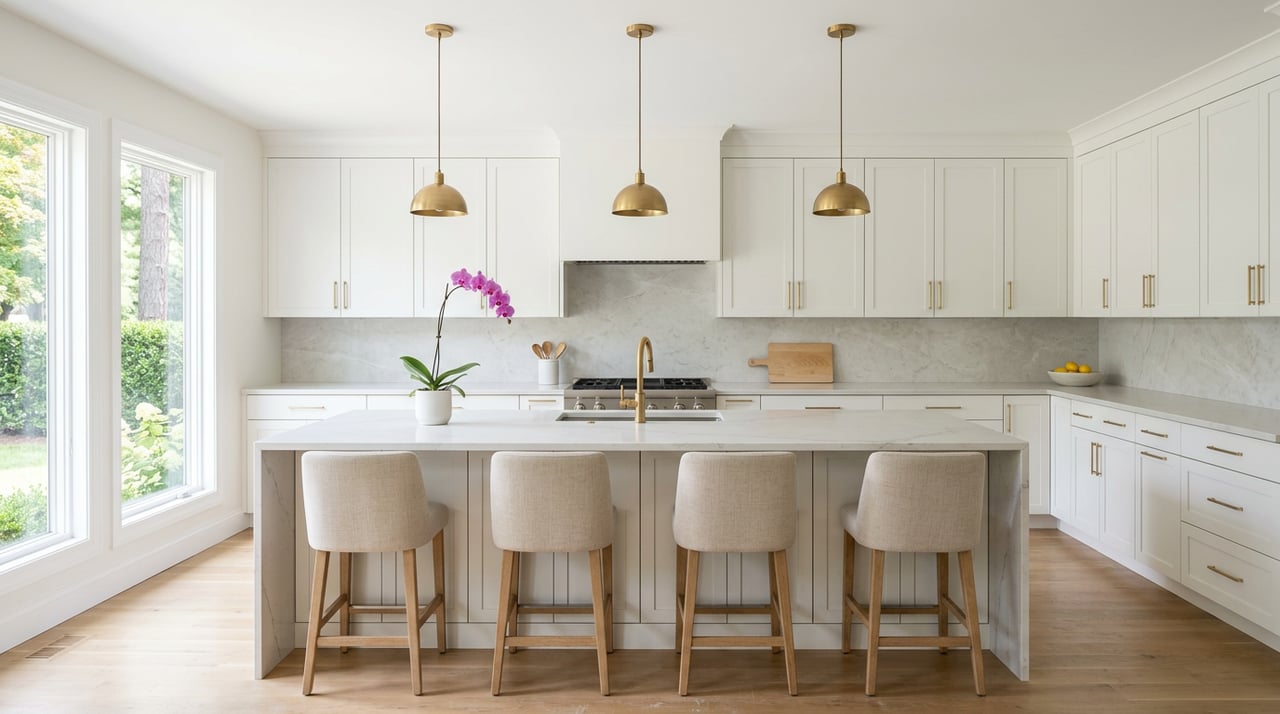
- Modern floorplans, open layouts, and the ability to select finishes in many communities.
- Lower near‑term maintenance since the roof, HVAC, plumbing, and appliances are new.
- Builder warranty coverage that outlines what is protected and for how long.
Potential drawbacks
- Longer timelines if you are building from the ground up, often several months depending on permits, weather, and labor availability.
- Upgrade costs that can add up, including design options and lot premiums.
- Less mature landscaping and evolving amenities while the community builds out.
- Builder contracts and warranty processes that vary by company. Careful review is essential.
Builder warranties explained
Most builders follow a common pattern. You often see 1 year of workmanship and materials coverage, 2 years for major systems like electrical, plumbing, and HVAC, and 10 years for structural coverage. The exact terms, exclusions, and warranty provider differ by builder. Ask for the written warranty, confirm any third‑party provider, and learn how to submit and track claims. If you plan to resell within a few years, ask about transferability to the next owner.
Incentives and financing details
Builder incentives can include closing cost help, temporary rate buydowns, design‑center credits, free upgrades, or price adjustments on quick‑move homes. These offers change with market conditions and may require using a preferred lender within a specific timeframe. If you are considering a custom build, construction‑to‑permanent loans follow a different approval and draw schedule than a standard mortgage. Engage a lender early so your loan type and timeline match the build schedule.
Timelines and inspections
Move‑in ready inventory homes can sometimes close in 30 to 60 days after completion. A build‑to‑order home can take months, depending on permits and inspection pacing in Gwinnett. Even for new construction, schedule an independent home inspection and a detailed pre‑closing walk‑through. Document the punch list and completion dates in writing so small items are handled promptly.
HOA and covenants
New communities often have active HOAs with architectural guidelines, amenity plans, and budgets that evolve over time. Dues may be higher at first as amenities such as pools, clubhouses, or trails are completed. Review the covenants, budgets, reserve plans, and architectural review procedures so you know what is allowed and how future assessments may work.
Resale homes in Gwinnett: what to expect
Advantages of resale
- Established neighborhoods with mature trees, completed amenities, and known traffic patterns.
- Potential room to negotiate on price, seller concessions, repairs, or contingencies, depending on market conditions.
- Faster closings are possible when title is clear and financing is straightforward, often in 30 to 45 days.
- Clearer total cost of ownership using historic utility bills, property tax history, and known maintenance records.
Potential drawbacks
- Deferred maintenance or upcoming big‑ticket items such as roof replacement or HVAC updates.
- Older systems closer to end of life that may require budgeting soon after closing.
- Floorplans and energy efficiency that might not match modern builds without updates.
Inspections, disclosures, and negotiation
In Georgia, sellers provide property condition disclosures, but these do not replace a professional home inspection. Your inspection contingency is a key leverage point. If issues arise, you can request repairs, credits, or a price reduction. Ask for documentation of past repairs and any water intrusion history to understand long‑term performance.
HOA considerations
Older HOAs often have fully built amenities and established budgets. Review meeting minutes, reserve studies, and any history of special assessments to understand future costs. Also check for any pending litigation or common‑area maintenance projects that may affect dues.
Financing and appraisal
Conventional financing for resale is typically straightforward. Appraisals rely on comparable sales, and older homes with significant updates may appraise differently if there are few similar comps. Your agent can help you review recent sales and set expectations.
Neighborhood character and daily life
Master‑planned vs. established subdivisions
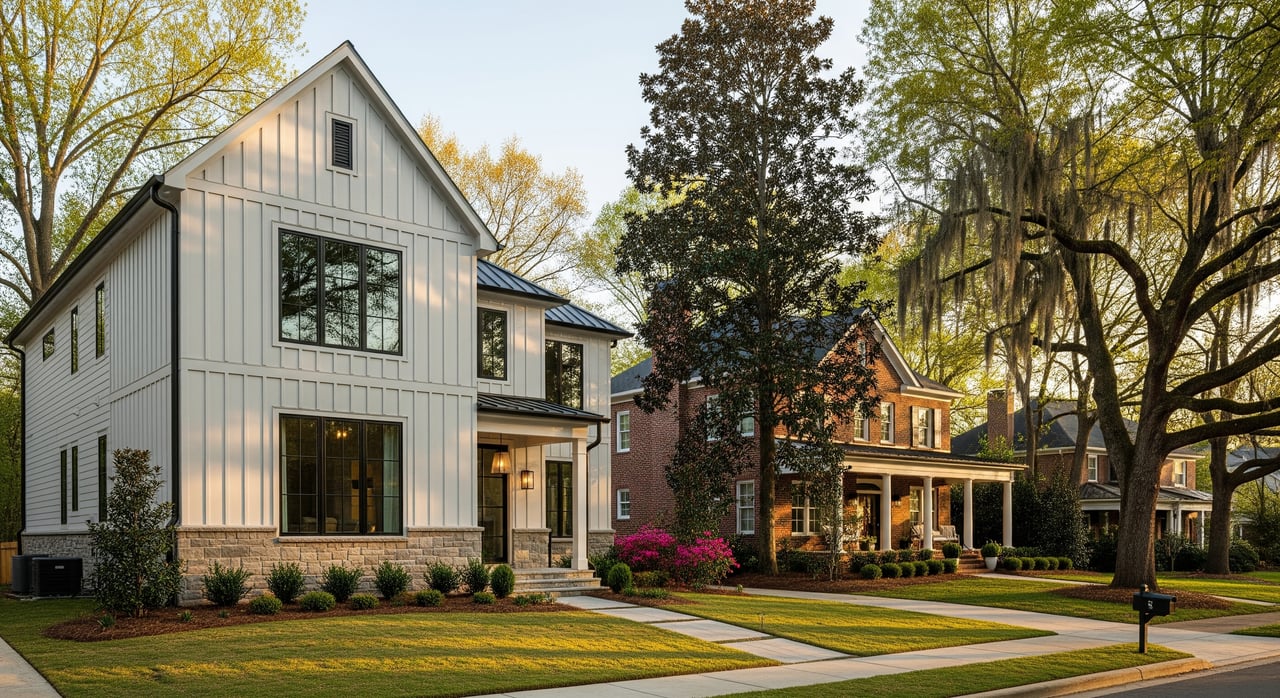
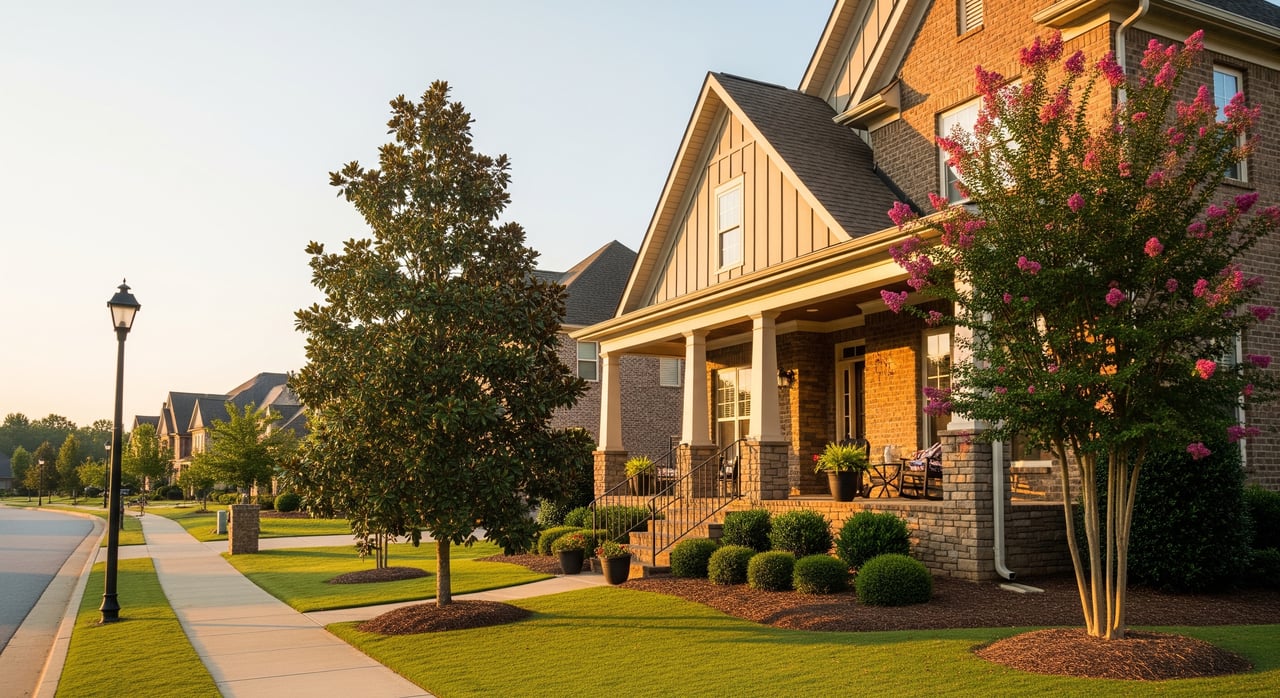
New master‑planned communities often offer staged amenities, uniform design standards, and developer‑led architectural review early on. Expect some ongoing construction if the community is in phases. Established neighborhoods may provide immediate access to parks, retail, or community facilities, along with a wider variety of home styles and lot sizes.
Schools, commute, and services
School assignments and commute times are central to many Gwinnett buyers. Newer subdivisions can bring changes to attendance zones, so verify the current map for any home you consider. For commuting, study routes along I‑85, I‑285’s periphery, and GA‑316, and look into any planned transportation projects that may affect travel times.
Walkability, retail, and recreation
Older neighborhoods near town centers such as downtown Lawrenceville or parts of Buford may offer greater walkability to restaurants and services. Newer subdivisions often focus on internal amenities such as pools, clubhouses, and trails. Decide whether you prefer a neighborhood where you can walk to local spots or a community with its own on‑site features.
Cost and timeline comparison
- Timeline needs: If you need keys in the next 30 to 60 days, a move‑in ready new home or a resale with standard financing can work. If you can wait several months, a build‑to‑order home opens customization options.
- Upfront budget: New construction usually has a base price plus options, upgrades, and lot premiums. Resale may require an immediate repair budget instead. Compare the total out‑the‑door figure, not just list price.
- Monthly and long‑term costs: Newer builds can offer energy savings, while older homes may have higher utilities. Review HOA dues and the likelihood of future assessments in both scenarios.
- Maintenance risk: New builds typically reduce near‑term maintenance risk. Resale can be cost‑effective if you are willing to handle updates over time.
Tour‑ready checklists
New construction questions
- What is included in the base price versus options and upgrades? Request a line‑item list of allowances.
- How does the warranty work, what is covered, who is the provider, and is it transferable?
- What is the construction timeline with milestones such as permits, foundation, framing, and final inspection, and what happens if delays occur?
- Which incentives require the preferred lender, and what is the net benefit after comparing options?
- Can you review HOA covenants, budgets, architectural guidelines, and any planned assessments?
- What are the grading and drainage plans for the lot, and where are easements located?
- What is the builder’s process for third‑party inspections and final punch lists?
Resale questions
- What are the ages of the roof, HVAC, water heater, and electrical panel, and when were they last serviced?
- Are there records of past repairs, water intrusion, or foundation work, and are permits available if applicable?
- Can you review recent utility bills, property tax history, and comparable sales used to set the price?
- If there is an HOA, are there any special assessments, litigation, or violation histories to know about?
Physical inspection focus for both
- Roof condition, HVAC performance, and last service date.
- Signs of moisture issues, including grading, drainage, and any staining.
- Electrical panel capacity and visible wiring conditions.
- Foundation or settlement cracks, driveway slope, and retaining walls.
- Insulation levels and visible energy efficiency features.
- Visit the neighborhood at rush hour and on weekends to get a feel for noise, traffic, and activity.
Red flags to avoid
With new construction
- Vague warranty language, a lack of clarity about any third‑party warranty provider, or resistance to sharing written documents.
- Heavy reliance on a preferred lender for incentives without a clear breakdown of the true net benefit.
- No written process for the final walkthrough and punch list.
With resale
- Inconsistent or missing disclosure details.
- Cosmetic fixes without repair records for underlying issues.
- Visible mold, ongoing moisture concerns, or structural red flags.
How to decide with confidence
- Get pre‑approved so you know your budget and loan type, including construction‑to‑permanent if you are building.
- Pick two or three new‑home options and two or three resale homes in the same submarket and compare total cost. Include price, expected upgrades or repairs, HOA dues, taxes, and estimated utility costs.
- Tour a builder model or quick‑move home, and request sample contracts, warranties, and HOA documents for review.
- Tour a resale home with a local inspector on standby, so you can estimate repair budgets.
- Drive each neighborhood at different times of day to check commute routes and daily rhythms.
- Order an independent inspection for any home you pursue, including new construction, and align your lender timeline with the closing date.
Ready to compare homes in Gwinnett?
You deserve a clear, simple plan that fits your timeline, budget, and lifestyle. If you want a friendly, organized guide who knows Gwinnett’s communities and can support you in English or Spanish, we are here to help. Reach out to schedule a personalized tour plan for both new construction and resale options, and get a side‑by‑side budget you can trust.
Connect with Wanda Moreno Properties to start your next step.
FAQs
Is it cheaper to buy new or resale in Gwinnett County?
- It depends on upgrades, lot premiums, repair needs, HOA dues, and utilities, so compare the total out‑the‑door cost for each home rather than list price alone.
How long does a new construction home take to build in Gwinnett?
- Build timelines vary with permits, weather, and trade schedules, but many ground‑up homes take several months while completed inventory homes can often close in 30 to 60 days.
Do I need a home inspection on a new build in Gwinnett?
- Yes, an independent inspection and a detailed pre‑closing walkthrough help you catch punch‑list items and verify that systems are operating as intended.
How do HOAs differ in new versus older communities?
- New communities may have evolving budgets and staged amenities that affect dues, while older HOAs often have established amenities and reserves; always review documents and reserve studies.
What should I budget for upgrades or repairs?
- For new builds, account for design options, appliances if not included, window treatments, landscaping, and lot premiums; for resale, budget for roof, HVAC, plumbing, electrical updates, and any inspection findings.