What to Know About Walton County Homes With Land
July 9, 2026
July 9, 2026
Dreaming about a home where you can spread out a little more? In Walton County, that can mean anything from a larger suburban lot to several acres with room for future projects, outdoor hobbies, or extra privacy. If you are thinking about buying a home with land or space here, it helps to understand what the county’s rules, utilities, and property features can mean for your daily life and long-term plans. Let’s dive in.
Walton County offers a mix of development patterns that can fit different goals. According to the county’s comprehensive plan, the Suburban character area is expected to absorb most new residential growth, while the Rural Residential and Agriculture character area is where lower-density residential pressure is most likely.
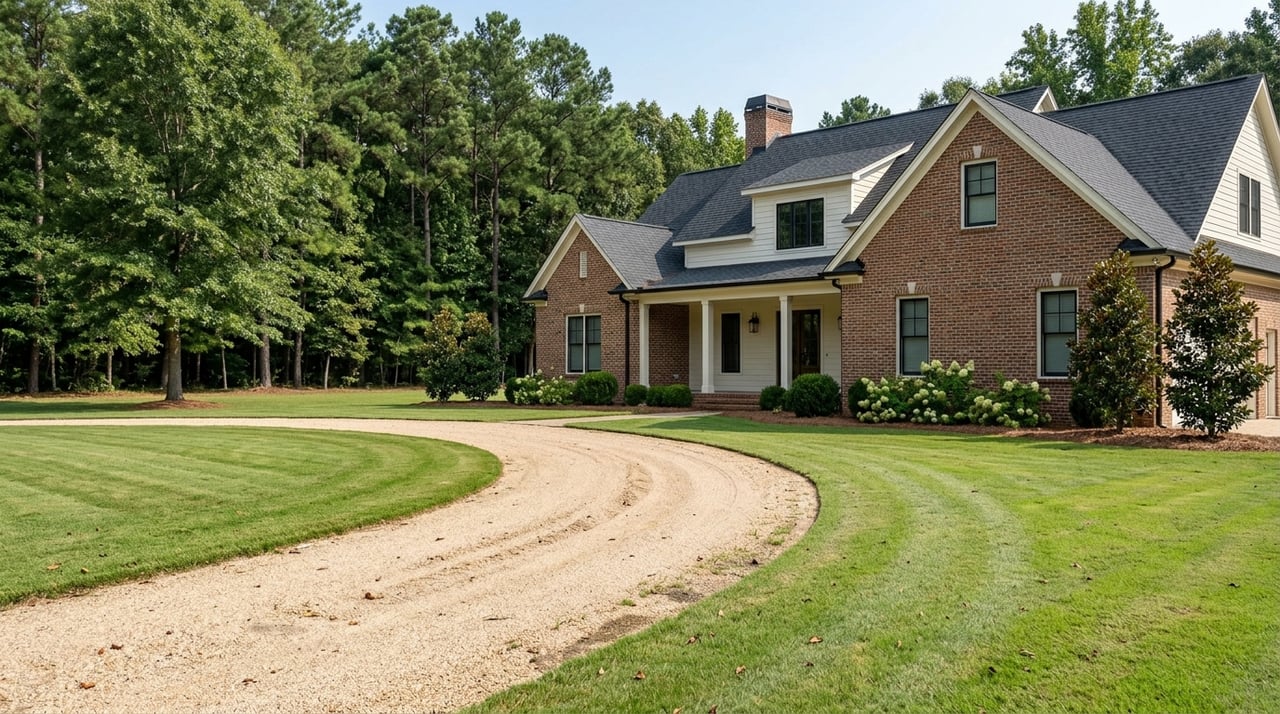
For you, that means the search can include more than one type of property. You may find conventional single-family homes with larger yards, rural-estate properties with acreage, or vacant land where future use matters just as much as the home itself.
When you start shopping for more land, zoning becomes one of the first things to review. The county’s zoning code outlines several districts that can affect lot size, permitted uses, and what you may be able to do later.
Walton County defines the Agricultural district as tracts greater than 2 acres intended primarily for farming and related agricultural uses. If you want a property with a more rural setup or agricultural potential, this district may come up often in your search.
The A1 district is a rural-estate district with a 2-acre minimum lot area. This can be important if you are looking for breathing room and want to understand the general character of nearby parcels.
The A2 district is also rural-estate, but with a 1.5-acre minimum lot size. It may offer a middle ground for buyers who want more land without moving into larger agricultural tracts.
R1 is a single-family residential district. In some cases, homes in R1 may still offer more outdoor space than you would expect, especially depending on the subdivision layout and lot configuration.
A property’s base zoning is only part of the picture. Walton County also uses overlay districts, and those overlays can add extra rules on top of the base zoning.
The county states that if an overlay conflicts with the base district, the overlay controls. That matters most when you are looking at land near streams, creeks, or areas affected by watershed rules, since those overlays are tied to hydrologic boundaries and parcel-specific topography.
If you have plans for a pool, detached garage, barn, or addition, overlay review should be part of your due diligence early in the process. A property that looks spacious on paper may still have limits on where or how future improvements can be built.
Walton County’s market gives buyers a fairly broad range of entry points, especially when land size varies. Current countywide snapshots place the area in a mid-market range, but lot size, utility access, and home condition can shift pricing quickly.
Zillow reports an average home value of $389,372 and a median sale price of $360,967. Redfin reports a median sale price of $375,000 for the three months ending May 2026, while Realtor.com reports a median listing price around $469,950 and about 1,000 homes listed countywide.
For buyers focused on land, inventory is meaningful. Realtor.com currently shows 458 homes with a large lot and 157 land-and-lot listings in Walton County, which suggests that roomier properties are an active part of the local market.
Current examples show how wide the range can be:
The big takeaway is simple. In Walton County, acreage does not have a flat price per acre. Location, the home itself, utility access, and the property’s overall condition can all change value significantly.
A home with more space often comes with a different utility setup than a standard subdivision home. Before you fall in love with the view or the lot lines, it is smart to look closely at water, septic, and access.
Walton County’s water department says it serves the majority of the county. That means some homes will be on county water, while others may rely on private wells.
If a home uses a well, Georgia Department of Public Health guidance says private wells should be at least 50 feet from a septic tank, 100 feet from a septic absorption field, and 100 feet from an animal or fowl enclosure. The state also recommends annual bacterial testing and chemical screening every three years.
Septic systems deserve close attention on larger-lot properties. Georgia DPH’s onsite sewage resources point homeowners to the local environmental health office for septic-related questions, which is a good reminder to check septic history, permits, and inspection records before closing.
If you are buying a property with acreage, do not assume the septic setup will support every future plan. The existing system, its location, and any prior approvals can affect how you use the site later.
Outside traditional subdivisions, road and driveway questions can become more important. Walton County notes that private drives and streets in gated subdivisions are not maintained by the county.
The county does provide assistance for certain public-area needs, including dirt-road maintenance, pothole repair, right-of-way grass maintenance, and stormwater work. That is why it is important to verify whether the driveway, private road, culvert, and drainage features are publicly maintained or are the owner’s responsibility.
This may sound like a small detail, but it can affect both budget and convenience. A long driveway or shared private road may come with added maintenance expectations over time.
Once you move from a smaller lot to a larger property, everyday upkeep can change. Trash pickup, yard waste, and basic land management may work differently than they do in a standard neighborhood.
Walton County offers a green-bag program, six convenience centers, and private haulers. The county also states that illegal dumping, littering, and burning household garbage are against the law.
If you are comparing homes with land, think beyond the house itself. Ask how waste is handled, what regular upkeep may look like, and whether the property’s outdoor space matches the amount of maintenance you want.
Many buyers looking for more land also want more flexibility. If you are hoping for chickens, livestock, a detached workshop, or a future barn, zoning and county rules matter just as much as lot size.
Walton County says livestock and poultry are only allowed in A, A1, and A2 districts. In platted subdivisions, the county says no more than six chickens are allowed per parcel, roosters are prohibited, and free-range animals or poultry are not permitted.
That makes it important to match your lifestyle goals with the property’s district and layout. A home with land may still come with specific limits depending on where it is located and how the parcel is classified.
If you are thinking ahead to a pool, detached garage, addition, or barn, setbacks and overlays should be reviewed before you make plans. Walton County’s watershed overlays can limit impervious surface and building near streams, and overlay rules control when they conflict with base zoning.
In practical terms, that means usable land and buildable land are not always the same thing. A careful review upfront can help you avoid surprises after closing.
When you are touring homes with land or larger lots, keep this checklist in mind:
Walton County’s zoning page directs users to QPublic for parcel-level zoning verification, which can help you confirm how a specific property is classified.
If you are buying a property with land, local education resources can also be useful after closing. The Walton County Soil & Water Conservation District focuses on treating each acre according to its needs and capabilities.
UGA Walton County Cooperative Extension provides research-based education on agriculture, environmental topics, and family and community support. For buyers who plan to actively use their land, these local resources can be part of the long-term value of homeownership.
Buying a home with land in Walton County can open up exciting possibilities, but the right property is about more than acreage alone. Zoning, overlays, utilities, septic, maintenance responsibilities, and future-use plans all shape whether a property truly fits your goals.
With the right guidance, you can sort through those details with more confidence and less stress. If you are looking for space in Walton County and want a warm, hands-on guide through the process, Wanda Moreno Properties is here to help.
Stay up to date on the latest real estate trends.
Wanda Moreno is dedicated to helping you find your dream home and assisting with any selling needs you may have. Contact her today for a free consultation for buying, selling, renting, or investing in Georgia.
WANDA MORENO PROPERTIES
ADDRESS 410 PEACHTREE PKWY STE 330 CUMMING GA 30041