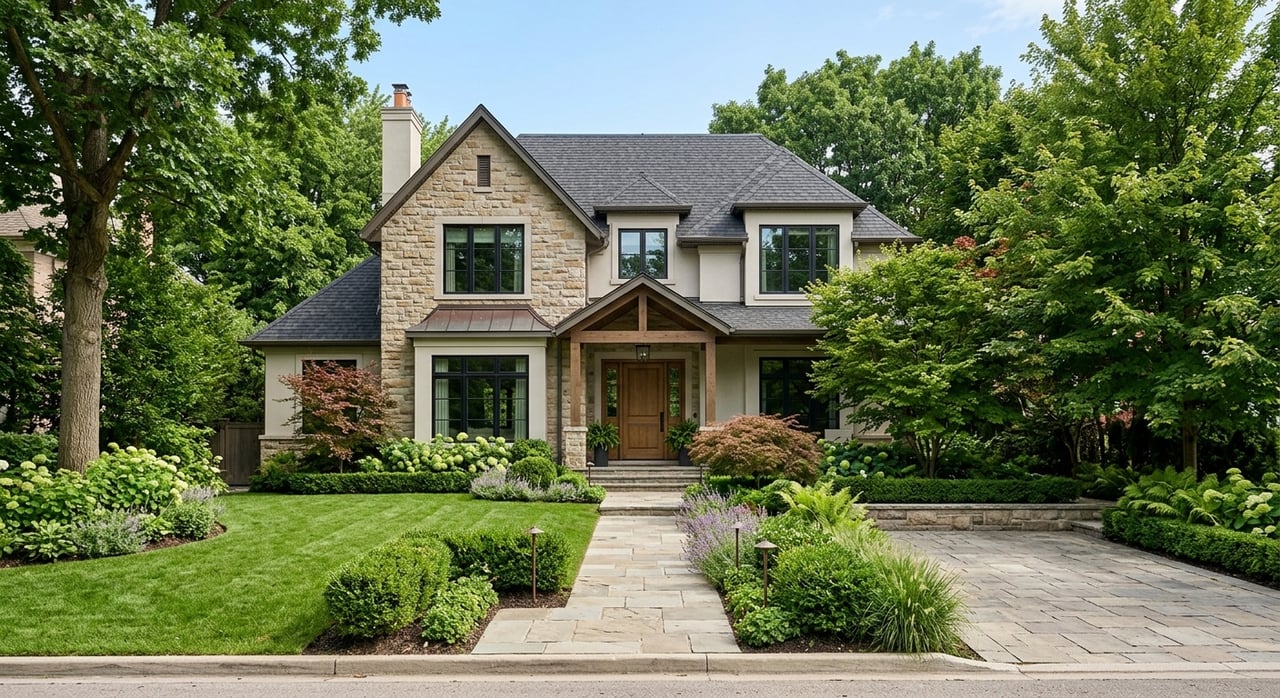
Gwinnett County HOA vs No HOA Homes: What to Know
July 2, 2026
July 2, 2026
Trying to choose between a home in a subdivision and a non-HOA property in Gwinnett County? That decision can shape your monthly costs, your day-to-day flexibility, and even how smooth your future resale may be. If you are weighing lifestyle, rules, and long-term value, understanding the difference now can help you avoid surprises later. Let’s dive in.
In Gwinnett County, a home in an HOA subdivision is usually subject to recorded covenants, conditions, restrictions, and bylaws. These are private land-use rules tied to the property, and they can continue from one owner to the next because they run with the land.
Under Georgia law, lot owners must comply with the HOA’s governing documents and with reasonable rules adopted under them. Gwinnett County also explains that these covenants may be recorded in the deed, subdivision plat, or another legal instrument, which is why buyers should verify the actual recorded documents instead of relying on a listing description.
A non-HOA home usually means there is no homeowners association collecting dues or managing neighborhood rules. For many buyers, that sounds simpler and more flexible, and in many cases it is.
Still, non-HOA does not mean no rules at all. Gwinnett County code enforcement still applies county ordinances related to property maintenance, and recorded deed restrictions may still exist even when there is no active HOA.
Some planned neighborhoods in Gwinnett County have mandatory associations for practical reasons, not just aesthetic ones. County subdivision requirements show that if a development has private streets or alleys, there must be a recorded maintenance covenant, annual assessments, and an HOA or property owners’ association responsible for maintenance, drainage, and common areas.
That means some HOA structures exist because someone has to maintain shared infrastructure. When you buy in one of these neighborhoods, you are not just paying for appearance standards. You may also be paying for private road and common-area upkeep.
The biggest difference is often not the house itself. It is the level of structure that comes with the neighborhood.
In many Gwinnett subdivisions, HOA dues help pay for shared features like pools, tennis courts, entrance features, and common-area upkeep. If you like the idea of coordinated neighborhood standards and amenities maintained by a central organization, an HOA community may feel more predictable and convenient.
That structure can also appeal to buyers who want a neighborhood with a more uniform look and a defined process for things like exterior changes or landscaping updates. For some households, that tradeoff is worth the added rules and recurring cost.
A non-HOA home often gives you more freedom in how you use and maintain your property. You may have fewer recurring fees and fewer private rules to follow, which can be appealing if you value autonomy.
At the same time, more flexibility usually means more personal responsibility. Without an HOA handling shared maintenance or enforcing neighborhood standards, the homeowner generally takes on more of the burden for upkeep and appearance.
Monthly payment is only part of the story when you compare HOA and non-HOA homes in Gwinnett County. You also need to look at ongoing obligations that may affect your budget over time.
HOA dues are the most obvious added cost. These dues may support amenities and maintenance, but they also increase your carrying costs each month or year.
Just as important, dues are not always fixed forever. Georgia Consumer Ed notes that governing documents control when dues can increase, and those same documents may allow special assessments if reserves are low.
Under Georgia law, unpaid HOA assessments can become a lien against the lot. Late charges, interest, collection costs, and attorney’s fees may also be added when allowed.
In serious cases, the law allows foreclosure after notice. That is why buyers should treat HOA dues as a firm ownership obligation, not a casual extra.
A non-HOA home may save you from association dues, but it can also shift more costs directly to you. If there is no association maintaining common features or helping enforce appearance standards, you may need to budget more carefully for your own exterior upkeep and repairs.
This is not necessarily a downside. It simply means your money may be spent differently, with fewer shared fees and more owner-controlled maintenance decisions.
Before you fall in love with a home, it helps to know whether the rules feel manageable for your lifestyle. In Gwinnett County, the difference between HOA rules and local code enforcement can be especially important.
An HOA may have rules for parking, exterior changes, landscaping, rental restrictions, or architectural standards, depending on its governing documents. Georgia law also allows associations to impose fines, pursue injunctive relief, and suspend certain common-area use or voting rights if the documents allow it.
Because these rules are private and property-specific, one subdivision can be very different from another. Two homes in the same part of Gwinnett may offer very different levels of freedom depending on the recorded covenants.
If you buy a non-HOA home, county rules still matter. Gwinnett County code enforcement addresses issues such as junk vehicles, outdoor storage, tall grass and weeds, exterior building and fence maintenance, and vehicle parking.
You should also confirm whether the property is in unincorporated Gwinnett or inside city limits. If it is inside a city, that city handles local enforcement rather than the county.
Document review matters in every home purchase, but it matters even more when you are comparing HOA and non-HOA homes. The right questions can help you understand not just the house, but the obligations that come with it.
Before making an offer on an HOA property, ask for:
These documents can show you how the community operates, what it costs, and where future expenses or limitations may come from.
Gwinnett County says covenants are established by recording documents in the Superior Court Clerk’s real estate records office. That means a listing description alone is not enough to confirm whether a home is truly non-HOA or whether deed restrictions still apply.
If you want clarity, the exact recorded documents are what matter. This is one of the smartest steps you can take before closing.
Because unpaid HOA assessments can become liens, buyers should pay close attention to title review. Georgia Consumer Ed also notes that title insurance can protect against unknown liens, which makes it an important part of the conversation when an HOA is involved.
Even if everything looks straightforward on the surface, title and lien checks help you avoid unpleasant surprises after closing.
There is no one-size-fits-all answer in Gwinnett County. The better choice depends on how you want to live, what level of structure you prefer, and how you want to manage your monthly costs.
An HOA home may be a better fit if you want shared amenities, coordinated neighborhood standards, and a central organization handling some maintenance and enforcement. A non-HOA home may be a better fit if you want fewer recurring fees and more autonomy over your property.
When it is time to sell, buyers will look at the same tradeoffs you are considering now. They will weigh dues, rules, amenities, and overall lifestyle fit.
Because recorded covenants run with the land, HOA rules do not disappear when ownership changes. In other words, the documents are part of the home’s value story, not just closing paperwork.
If you are buying in Gwinnett County, the best move is to match the property to your real-life priorities. If you are selling, it helps to understand how your home’s HOA status may shape buyer interest and expectations.
Whether you are comparing neighborhoods, reviewing HOA documents, or preparing your current home for the market, Wanda Moreno Properties offers the concierge-level guidance and local insight to help you make a confident move.
Stay up to date on the latest real estate trends.


Wanda Moreno is dedicated to helping you find your dream home and assisting with any selling needs you may have. Contact her today for a free consultation for buying, selling, renting, or investing in Georgia.
WANDA MORENO PROPERTIES
ADDRESS 410 PEACHTREE PKWY STE 330 CUMMING GA 30041